
How Photographers Create a Calm and Respectful Environment During Healthcare Photo Shoots
Healthcare photography is different from most commercial productions.
Hospitals and clinics are active environments. Patients may already be navigating physical discomfort, emotional stress, or uncertainty. Medical teams are focused on care. The presence of a camera should never disrupt that balance.
Creating a calm and respectful environment is essential not only for ethical reasons but also for the quality of the imagery itself. When people feel safe and respected, authentic moments naturally emerge.
Start With Human Awareness
Before lighting equipment is placed or cameras are lifted, the most important work happens through awareness.
Every healthcare environment carries its own rhythm. Some spaces are fast paced. Others are quiet and reflective. Understanding that rhythm allows a photographer to integrate into the environment rather than interrupt it.
For patients especially, the experience must feel supportive rather than performative.
Taking time to introduce the process, speaking clearly about what will happen during the shoot, and allowing space for questions helps build trust before a single frame is captured.
Respect begins with communication.
Slowing the Pace
Healthcare photography works best when the production pace is thoughtful.
Patients and medical professionals should never feel rushed or pressured into interactions that do not feel natural. Slowing the pace allows people to settle into the environment and become comfortable with the camera.
This approach often leads to stronger images. Expressions soften. Body language becomes natural. Interactions between people feel genuine instead of staged.
Authenticity rarely appears when people feel hurried.
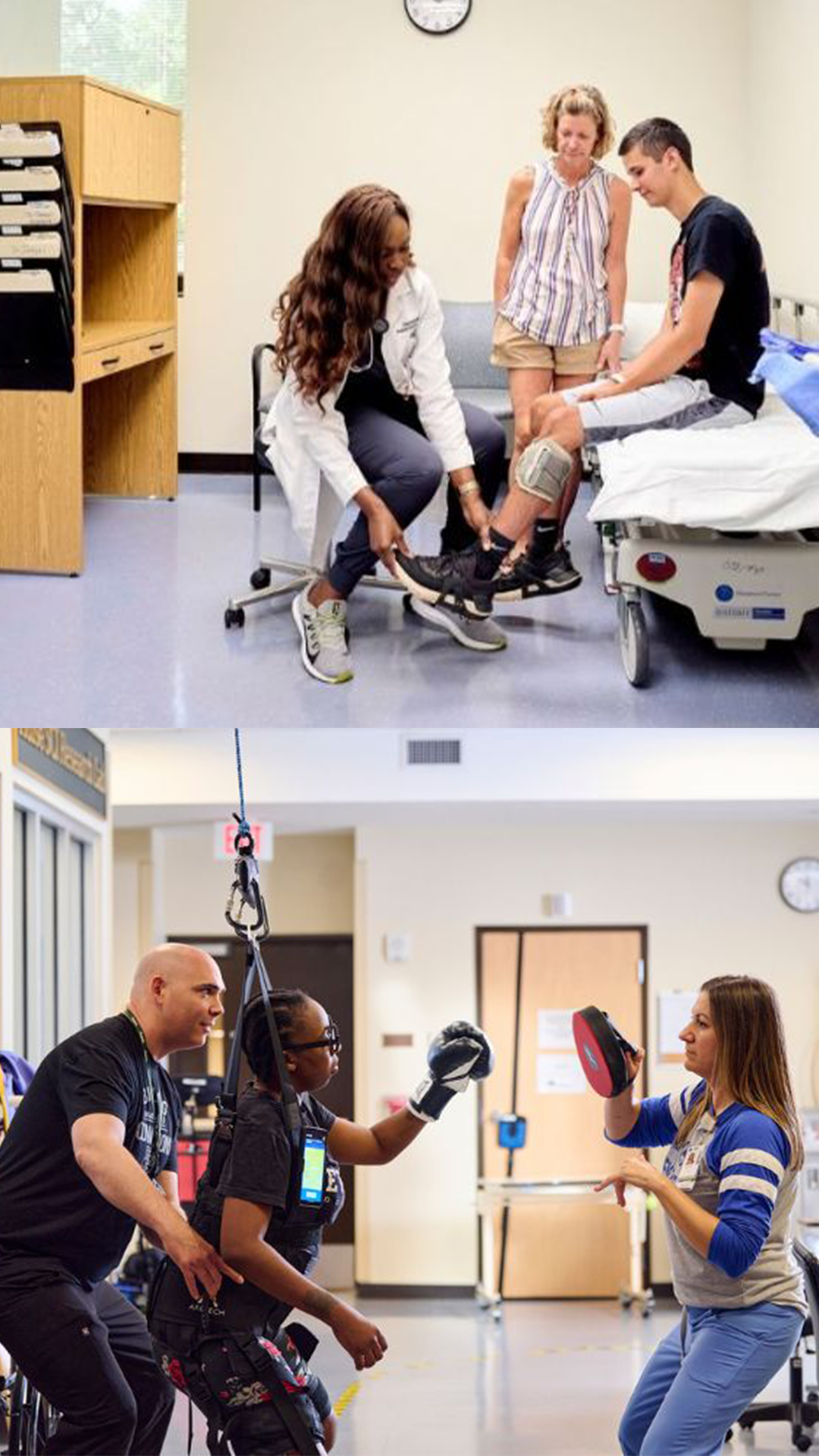
Building Trust With Patients
When working with real patients, trust is everything.
Many individuals being photographed in healthcare campaigns are sharing a vulnerable part of their story. Some may be navigating recovery, treatment, or long-term care. The photographer’s responsibility is to create an atmosphere where they feel respected as people first and subjects second.
Simple actions matter.
Making eye contact. Speaking directly rather than through assistants. Offering encouragement and reassurance during the process. Allowing breaks when needed.
These small gestures shape the entire emotional environment of the shoot.
When trust is present, the images reflect dignity rather than documentation.
Collaborating With Medical Teams
Healthcare photo shoots are rarely isolated productions. Medical staff, administrators, and marketing teams all play a role in shaping the environment.
Maintaining a calm production means working collaboratively with these teams. Understanding clinical boundaries, respecting patient privacy, and adapting to operational needs ensures the shoot supports the facility rather than disrupts it.
A thoughtful photographer becomes part of the ecosystem of care for that day.
Authenticity Comes From Comfort
Ultimately, the goal of healthcare photography is not simply to create visually strong images. It is to communicate trust, humanity, and connection.
Those qualities cannot be forced through direction alone.
They appear when patients feel calm. When medical teams feel respected. When the environment supports real interaction.
A respectful production atmosphere allows authentic moments to surface naturally, and those moments are what make healthcare storytelling meaningful.
Photographer, ELEY, creating a respectful and lighthearted environment during a healthcare photo shoot.