
Why Emotional Intelligence Is Essential for Photographers on Set
Photography may appear technical from the outside.
Lighting setups, camera systems, production schedules, and creative decks often take center stage when planning a shoot. Yet one of the most important skills a photographer brings to a production environment is rarely listed in the equipment case.
Emotional intelligence.
The ability to understand people, read the energy of a room, and guide interactions with empathy plays a major role in how successful a production becomes.
Reading the Energy of the Room
Every photo shoot has its own atmosphere.
Some sets are highly structured and fast paced. Others are collaborative and exploratory. Talent may arrive confident or slightly nervous. Clients may feel excited or anxious about the outcome.
A photographer with strong emotional awareness can quickly read these dynamics and adjust their approach.
Sometimes that means offering clear direction to stabilize the room. Other times it means stepping back and allowing a moment to unfold naturally.
Understanding emotional cues helps maintain a balanced and productive environment.
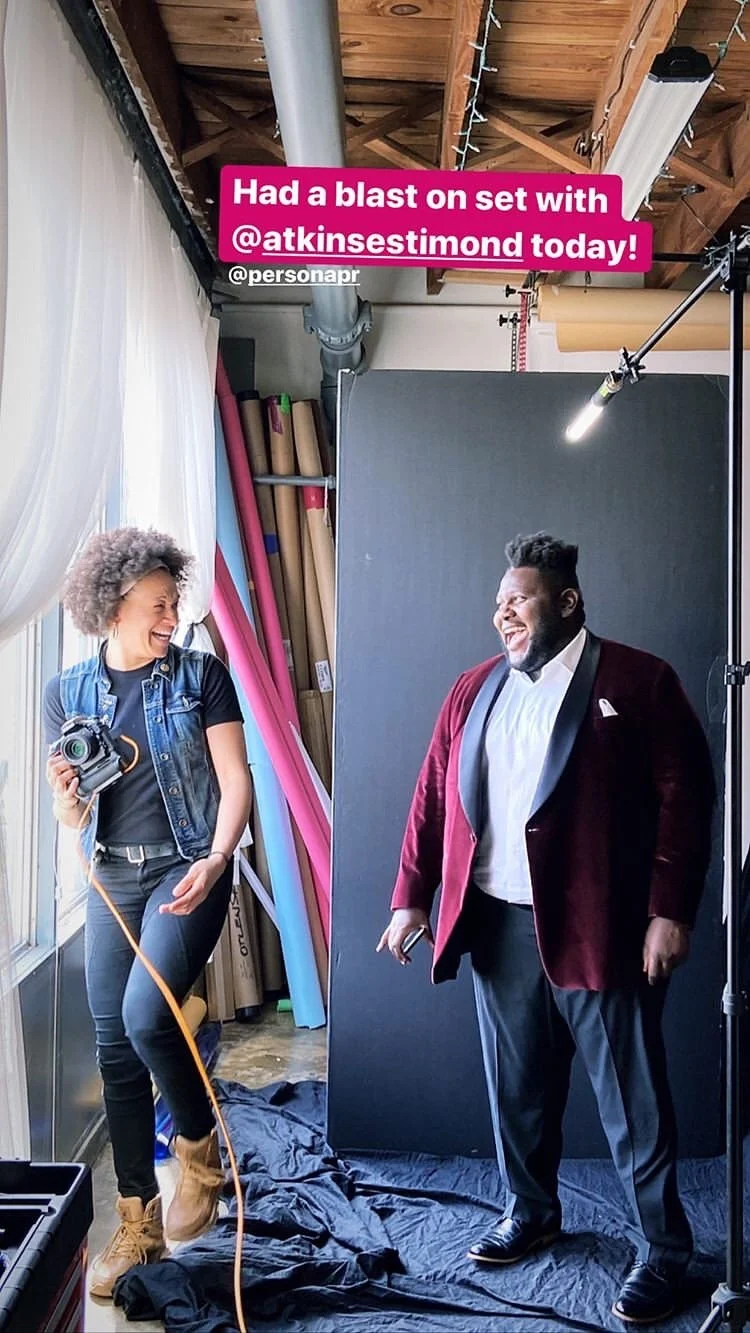
Guiding Talent With Empathy
Directing talent is about more than posing.
Whether working with celebrities, patients, or public figures, the photographer must create a space where individuals feel comfortable expressing themselves in front of the camera.
Empathy allows the photographer to guide people without making them feel controlled. Subtle direction, encouragement, and collaboration often produce stronger images than rigid instructions.
When talent feels seen and supported, their natural personality begins to emerge.
That authenticity translates directly into the final photographs.
Maintaining Calm Leadership
Large productions often involve multiple moving parts.
Agencies, creative directors, producers, stylists, assistants, and clients all contribute to the process. When unexpected changes occur, the photographer’s response sets the tone for the entire team.
Emotional intelligence helps maintain calm leadership in these moments.
Rather than reacting with stress or urgency, an emotionally aware photographer focuses on solutions and clear communication. This steadiness keeps the production moving while protecting the creative vision.
Teams function best when leadership feels grounded.
Building Trust With Clients
Trust is one of the most valuable currencies in commercial photography.
Agencies and brands frequently entrust photographers with large budgets, complex productions, and high profile talent. That trust extends beyond technical ability.
Clients want to know the photographer can guide the room with professionalism, respect, and emotional awareness.
When a photographer understands people as well as they understand light, clients gain confidence in the entire process.

The Human Side of Creative Leadership
Photography sits at the intersection of art and human experience.
Every image depends on relationships between people, environment, and story. Emotional intelligence strengthens those relationships and allows authentic moments to emerge naturally.
In many ways, it is the invisible skill that holds the production together.
Technical knowledge shapes the image.
Human understanding shapes the experience.
And the best productions balance both.